

SCAM WARNING
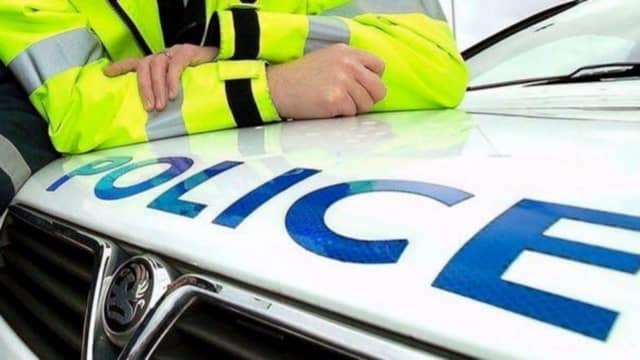

LOCAL people are being urged to be vigilant to increasingly sophisticated scams which are conning victims out of hundreds - sometimes thousands - of pounds.
LOCAL people are being urged to be vigilant to increasingly sophisticated scams which are conning victims out of hundreds - sometimes thousands - of pounds.
The current cost-of-living crisis is the next frontline for scammers with claims of eligibility for a discounted energy bill now a common scam text message doing the rounds.
According to police in Derry City and Strabane, a local member of the public fell victim to such a scam at the weekend.
Officers received a report from the victim who lost £1,700.
They said they’d been contacted initially on October 8 via text, claiming to be owed £400 and went on to fill out their bank details, as advised in the text, on what turned out to be a fake website.
Then, on Sunday, they received a call from a man claiming to be from their bank requesting confirmation of a verification code they'd sent.
This was done, thinking it was legitimate, but only afterwards the person realised this was a scam and that the money was gone from their account.
In another report made recently a couple lost more than £3,000 in a WhatsApp scam.
They both believed they'd sent money to a family member, but it was a scam.
Police are now appealing to the public to be vigilant, warning not to give out personal details no matter how legitimate the caller or message appear.
Sergeant Garth Bennett said: "No matter how much money someone loses to a scammer, whether it’s £20 or £2,000, it's a horrible experience and even more so now when people are facing rising energy costs.
"Scams can be incredibly convincing, which is why it's crucial everyone is aware of the threat from scammers and what to do to ensure they don't take your money."
Other possible approaches from scammers include making false offers of energy refunds, tax rebates and cost-of-living payments.
Another common scam in the wake of the COVID-19 pandemic is an alert claiming to be an NHS alert and advising the recipient they have been in close contact with someone who has tested positive for the virus, and to order a free test by visiting an attached link.
Parcel delivery scam messages are also prevalent, where a message claims there is an undelivered or missing parcel and then asks the receiver to clcik on a link tor eschedule or pay a small fee to have the item delivered.
All of these scams will be an attempt by frausdsters to get personal or banking details.
“The easiest way to stop a scam is to apply these five rules,” said Sergeant Bennett.
“Hang up the call immediately; always delete texts requesting personal information or bank account details; never call the number back; never click on links in text messages, or respond to unsolicited texts; never ever transfer money at the request of someone you do not know.
"This last one is really important, and it will really key in preventing these criminals gaining access to your money and you losing out, so it’s worth reiterating you should never transfer money to another account having received a call from someone you do not know."
If you have lost money to a scammer, report it to police on 101, or online at www.psni.police.uk/makeareport/ and to your bank immediately.
You can also report to Action Fraud online at www.actionfraud.police.uk or by calling 0300 123 2040.
Information and advice is available at http://www.nidirect.gov.uk/scamwiseni or the ScamwiseNI Facebook page @scamwiseni