

Clady - a border village that must fight for its future
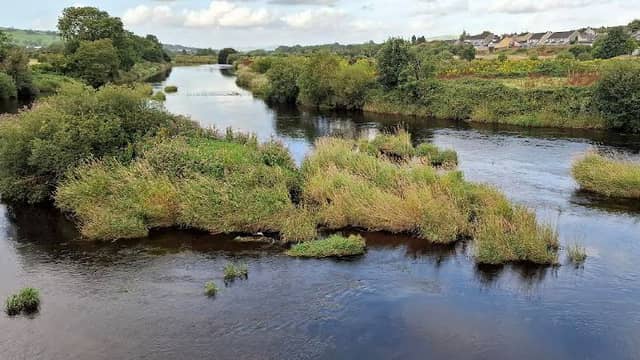

A TYRONE riverside village is losing its 'picture postcard' look due to the state of a river running alongside it, locals have claimed. Residents in Clady are unhappy as the River Finn, which flows down from the Donegal highlands and into the Foyle at Lifford, has had piles of silt build up since it was last dredged several years ago.
A TYRONE riverside village is losing its 'picture postcard' look due to the state of a river running alongside it, locals have claimed.
Residents in Clady are unhappy as the River Finn, which flows down from the Donegal highlands and into the Foyle at Lifford, has had piles of silt build up since it was last dredged several years ago.
They want agencies on both sides of the border to clear the waterway and to cut back vegetation and work with them to restore what could be a vital local resource to ensure the future of the area.
The local Cross-Community Development Association (CCDA) fears that time is running out because despite calls for action over many years, there has been no clear resolution on which authorities are responsible for addressing the situation.
The cross-border nature of the river adds to the complexity, with both Northern Ireland and the Republic of Ireland having jurisdictional responsibilities.
The lack of coordination and accountability is frustrating for locals who depend on the river for recreation, tourism, and as a vital part of the local ecosystem.
According to CCDA member, Barry Lafferty, the problem is only getting worse due to the absence of decision-making by authorities on both sides of the border.
"The situation at Clady Bridge, where the River Finn is being partially blocked, highlights a significant issue of neglect by state bodies on both sides of the river,” he said.
“The blockage is likely causing environmental concerns, disrupting local ecosystems, and potentially leading to flooding or other issues that affect the local community,.”
He said locals' frustration is understandable, as the river is a vital resource for the area.
"It plays an important role in local biodiversity and is likely a significant feature of the community’s way of life, and for activities like fishing, recreation, and tourism,” he continued.
“The inaction by state authorities might be due to jurisdictional complexities, funding issues, or bureaucratic delays, but these excuses don't alleviate the impact on the community. The situation calls for immediate attention and coordination between the relevant state bodies to clear the blockage and prevent further disruption."
Addressing these concerns quickly could help restore the river's health and ease local tensions.
Additionally, this situation underscores the importance of responsive governance, particularly when it comes to environmental and community issues, he added.
"We have major problems on either side of this historic bridge and the problem is getting bigger every year. The 'silt islands' and the unnatural growth of grass on it, which has accumulated over the years since the river was last cleaned has created blockages in the water and we are worried where this is leading,” Mr Lafferty added.
“I believe these really started to grow after underwater pipes were laid across the river many years ago. It has not only switched the flow of the river from one side to the other but created these unnatural 'islands that could block everything.
“In a river like the Finn, which might be important for salmon or trout populations, this could have serious consequences for biodiversity and the livelihoods of those who depend on the river."
This, he said, also highlights the lack of accountability and coordination between the Republic of Ireland and Northern Ireland.
"The local community feels neglected, as flooding has already impacted agricultural lands in the Finn Valley over the years, causing substantial financial losses for farmers. Climate change, with its increased frequency of storms and flooding, has exacerbated the problem, making regular maintenance of rivers more essential than ever," said Mr Lafferty
To restore the river’s health, locals are calling for multi-agency talks between environmental bodies and governments from both sides of the border.
Without timely intervention, the picturesque landscape and the ecosystem of the River Finn could suffer irreparable damage, affecting the community’s way of life and leading to further flooding risks.
The residents' pleas highlight the urgent need for more coordinated, responsive governance in addressing environmental issues across borders.