

Cooper's 'Maestro' is a Masterpiece
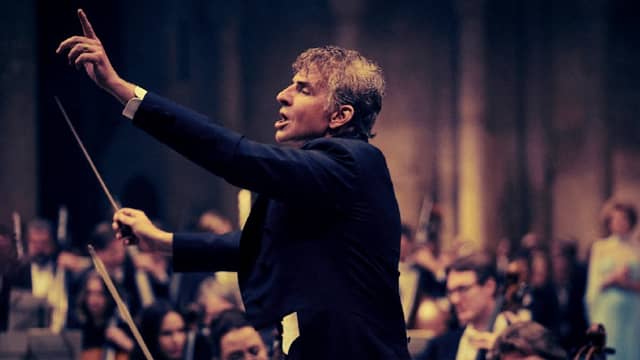

BRADLEY Cooper directs, co-writes and stars in this lavish biographical drama chronicling the relationship between legendary American composer Leonard Bernstein and his wife Felicia Montealegre. After making an impressive debut behind the camera with 2018’s A Star Is Born, it’s fair to say that expectations around this new film were rather high.
BRADLEY Cooper directs, co-writes and stars in this lavish biographical drama chronicling the relationship between legendary American composer Leonard Bernstein and his wife Felicia Montealegre.
After making an impressive debut behind the camera with 2018’s A Star Is Born, it’s fair to say that expectations around this new film were rather high.
With Hollywood royalty like Steven Spielberg and Martin Scorsese on producing duties, the ingredients for an award-courting hit are all present and correct.
Not even the rather strange controversy surrounding Copper’s use of a prosthetic nose has managed to derail proceedings.
The end result is not quite the masterpiece audience might have been hoping for but there is still plenty to admire.
Bernstein is certainly the most acclaimed conductor America has ever produced and one of its most celebrated composers. He was also the first American conductor to receive significant international recognition.
Though he is perhaps most famous for writing musicals like On the Town and West Side Story, he also composed operas, symphonies and choral music.
He became conductor of the New York Philharmonic and was renowned for his impassioned conducting style.
Though openly gay in his early career, Bernstein (Cooper) met and fell in love with actress Montealegre Carey Mulligan) in 1946.
Despite an ongoing affair with clarinettist David Oppenheim, Bernstein and Felicia eventually married and had three children together.
Bernstein’s spectacular success allowed him and his family to live an opulent lifestyle but his extramarital affairs and substance abuse took their toll on his marriage.
His attempts to hide his homosexuality also strained his relationship with his children. Through it all however, Bernstein’s love for Felicia never diminished.
There has been a never-ending glut of biographical films about the music industry in recent years. Blame the Box Office success of Bohemian Rhapsody for the increase.
Many of these seemed to have been produced in the expectation they will be financially successful, rather than any cinematic necessity. Maestro is different.
Cooper has crafted a genuinely artful piece of filmmaking here. Made with clear and almost giddy affection for its subject matter and his life’s work, it showcases a director with a strong grip on the material and clear command of his craft.
The first portion of the film is shot in black and white and has an almost fantastical quality to it, scenes transitioning akin to the slick changing of sets on a Broadway musical stage. It gives the film an agreeably post-war-style energy.
This is the most enjoyable portion of the film. As the movie begins to focus more on Bernstein’s personal struggles (shifting to colour photography), the mood grows decidedly darker.
Though solid performances by Cooper and Mulligan ensure the portrayal of the central relationship is always compelling and ultimately moving, it does put a squeeze on the professional side of things.
The film would likely have benefitted from some more focus on Bernstein’s music which often feels side-lined in the storytelling.
If you go into the movie wanting to know more about Bernstein’s work and what it was that made him so brilliant, you may be disappointed.
Oddly the film makes no mention of the composer’s support of the civil rights movement or his efforts raise money for AIDS research.
Though it doesn’t do its subject complete justice, Maestro is a well-acted and earnestly crafted biopic.
RATING: ***
Matthew McCaul